March 13, 2026
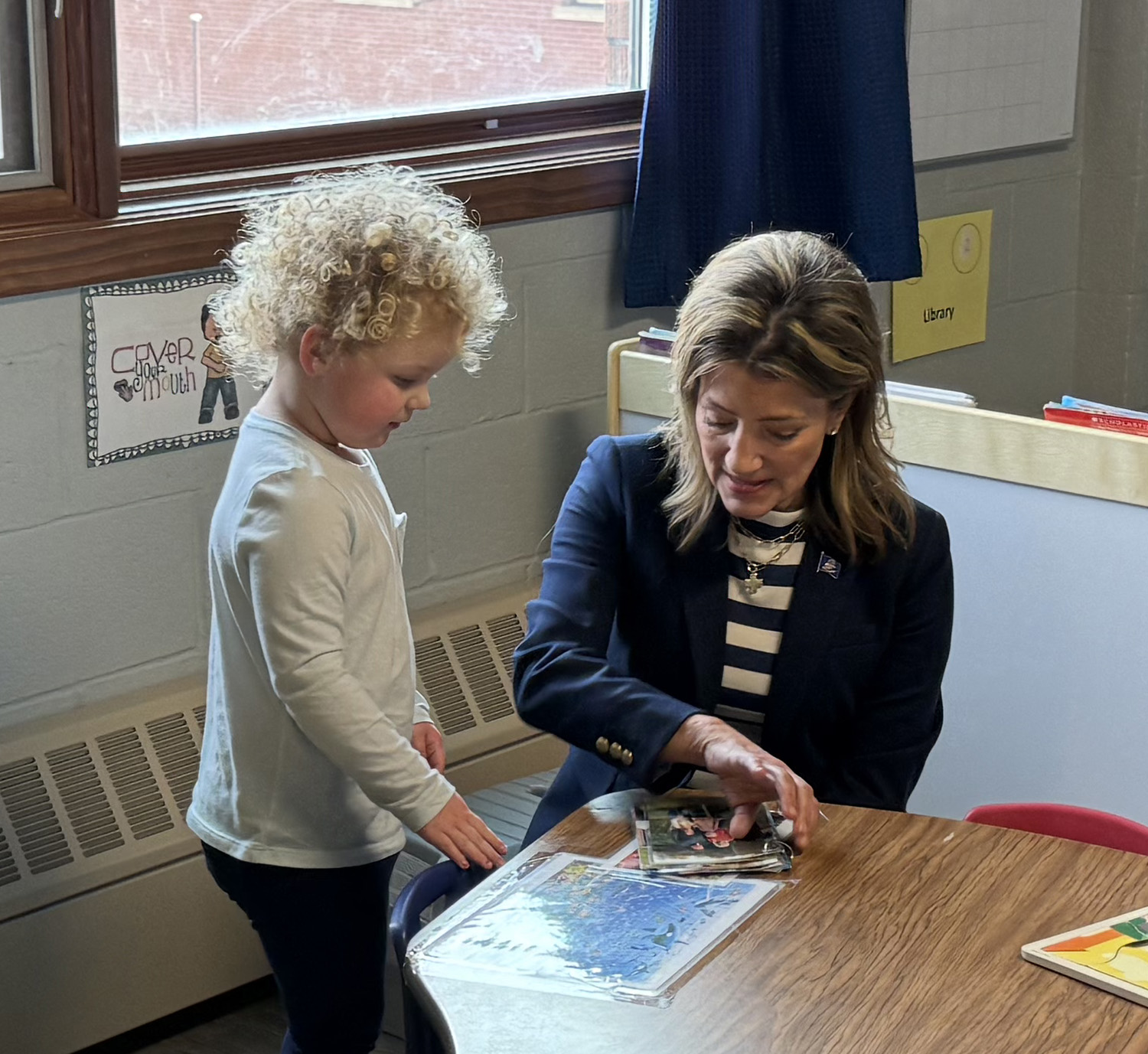
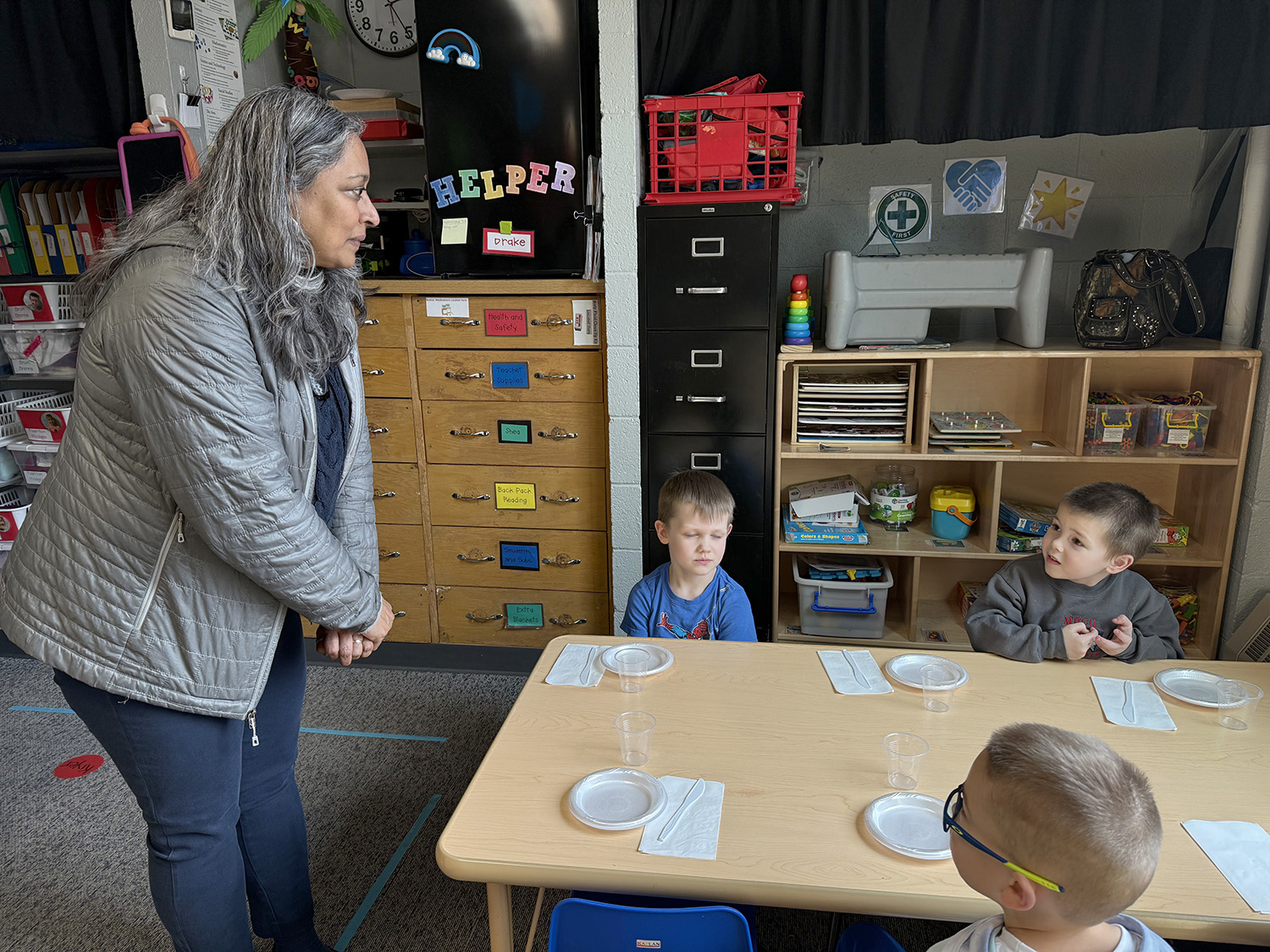
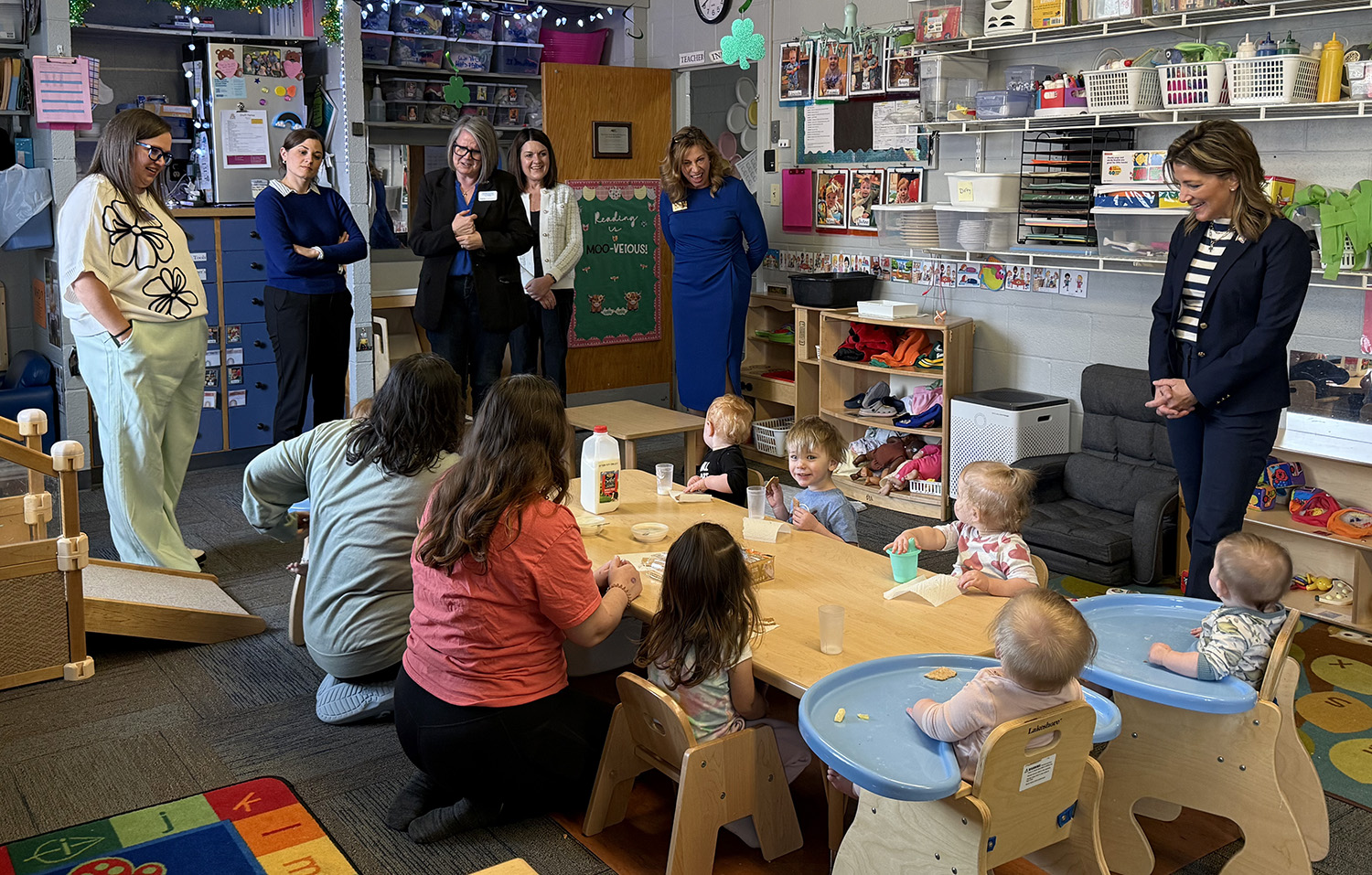
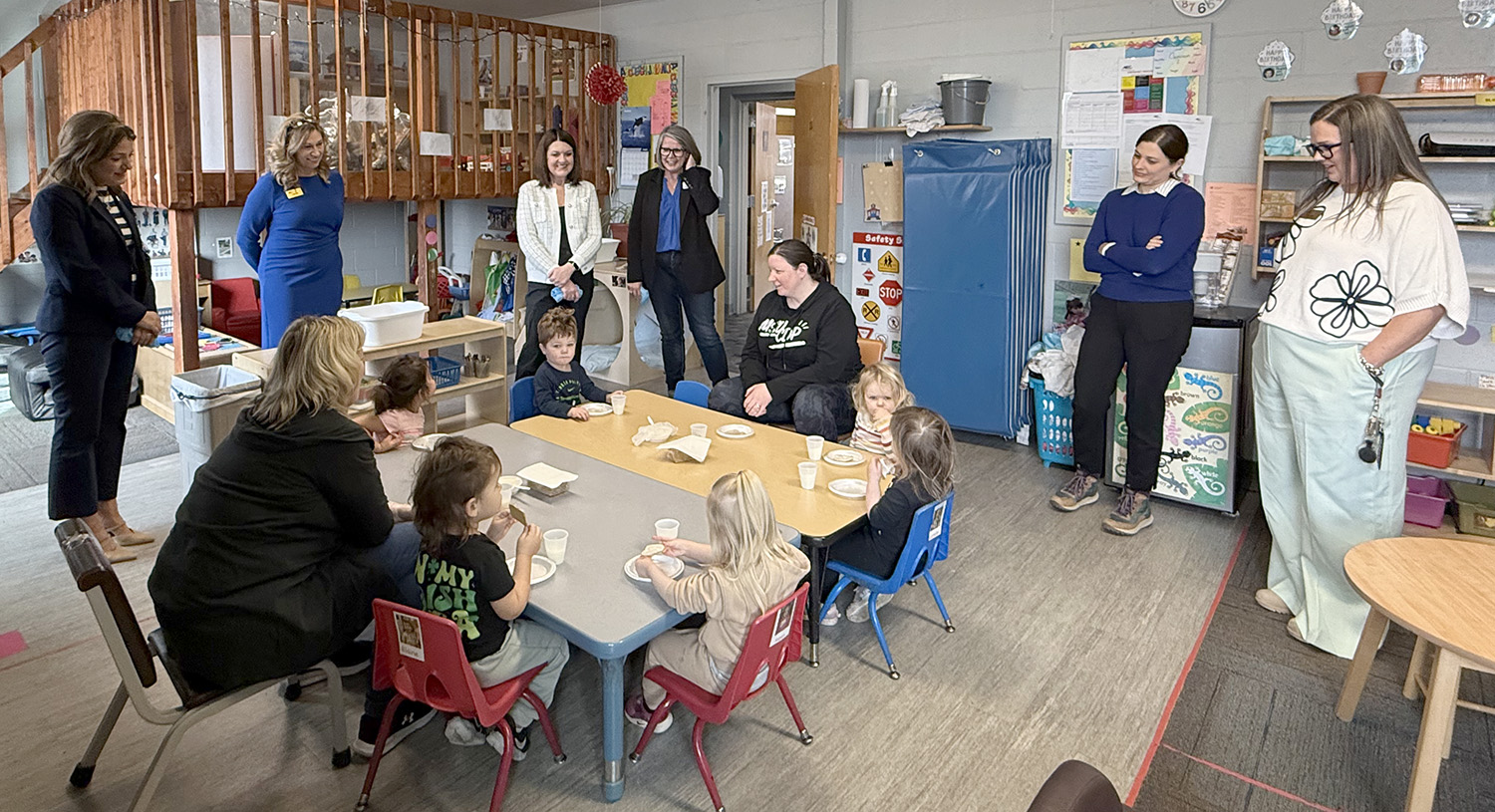
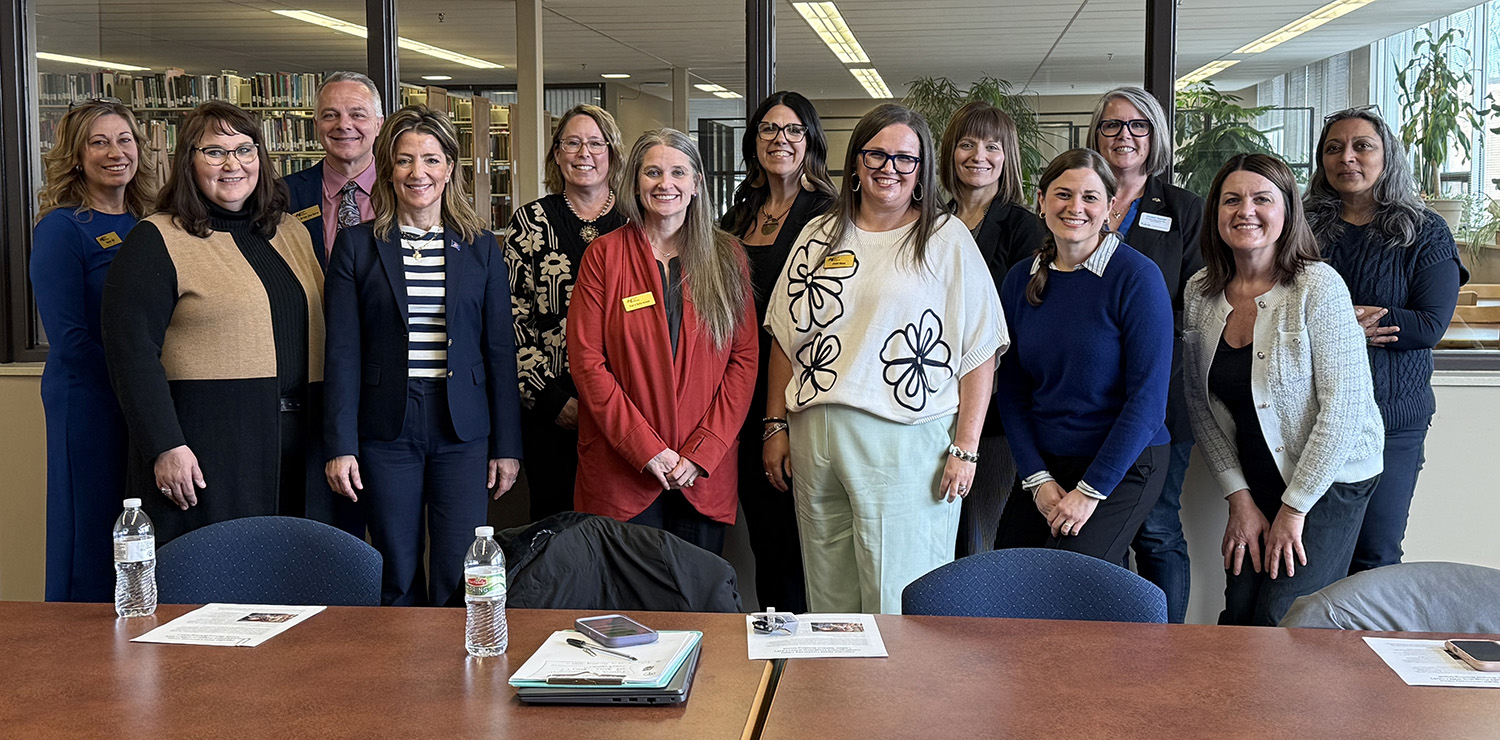
Mayville State University Child Development Programs (MSU CDP) leadership and university administrators had an opportunity to showcase the important work of the CDP when they welcomed members of the North Dakota Children’s Cabinet Early Childhood Committee to the Mayville State campus on Tuesday, March 10, 2026. Guests included North Dakota Lt. Governor Michelle Strinden; Mary Christy, regional coordinator for the Governor’s Office; Kim Jacobson, Human Service Zone Director; and Pritha Gopalan and Michelle Focker of The Hunt Institute. Carolyn Kueber, North Dakota Head Start Collaboration Officer, also participated.
Hosting the group were MSU CDP Program Director Jessi Hegg; members of the CDP management team, Kara Schreiner, Mandi Domier, Dena Bergstrom, and Rachael Hiam; MSU President Dr. Brian Van Horn; and Vice President for Business Affairs and Head Start Executive Director Amber Hill. The visit began with meaningful dialogue and concluded with a tour of the Mayville State CDP facility, allowing the group to see the program’s impact firsthand.
MSU CDP has a documented history of delivering high-quality early education with strong participation and consistently positive evaluations. Program data and ongoing assessments demonstrate a proven, effective system that supports school readiness for children across developmental domains, preparing them for long-term success in school and beyond. This evidence-based approach is especially critical in rural communities, where access to comprehensive early learning services is limited and high-quality early education plays a key role in strengthening families, supporting the workforce, and ensuring that young children enter kindergarten ready to learn.
“The dedication of our Child Development Programs staff, from the management team to the individuals working with children in the classrooms, is critical, and they’re making a positive difference,” said Mayville State University President Dr. Brian Van Horn, “Every day, they provide high-quality early learning by supporting families, strengthening communities, and shaping outcomes that extend far beyond the classroom. Through their work, children are better prepared for school, parents are supported in pursuing education and careers, and North Dakota’s workforce is strengthened for now and for the future.”
The visiting group was particularly interested in learning more about the Mayville State Child Development Programs blended early childhood model that integrates Head Start, Best in Class, Early Head Start, and childcare to maximize reach across both rural and urban communities in North Dakota. This approach supports parents’ ability to work and builds the future talent channel by strengthening the readiness of children for kindergarten. Social-emotional development, a key driver of long-term success, is also a central focus.
North Dakota’s workforce and economic strength depend on stable families, high-quality learning and childcare options, and children who arrive at school ready to learn. When families have reliable, high-quality early learning options, parents can enter and remain in the workforce, reduce absenteeism tied to unstable care, and pursue training and education. The Mayville State CDP model strengthens workforce infrastructure by combining early learning with health, nutrition, and family support. This approach is designed to remove barriers to employment and stabilize family well-being.
“Mayville State University supports North Dakota’s workforce development needs in multiple, meaningful ways,” said President Van Horn. “Through strong academic programs, the university prepares graduates who are ready to contribute across key industries. At the same time, Mayville State’s Child Development Programs play a critical role by providing high‑quality early learning and family support that allows parents to enter, remain, and advance in the workforce. Together, these efforts strengthen the state’s talent pipeline, supporting today’s workforce while preparing the next generation for long‑term success.”
Enhancing the blended early childhood model at MSU CDP is a Pyramid Model Framework for promoting social-emotional competence that was adopted in 2021. This evidence-based framework strengthens classroom practices, improves adult-child interactions, reduces challenging behavior, and builds the self-regulation and social skills of children, key foundations for long-term school success. The partnering of these models strengthens school readiness by ensuring that more children consistently have access to high-quality early learning experiences that build the foundational skills most predictive of success in kindergarten. They enter school ready to engage, follow routines, and build relationships, skills that are linked to long-term education, health, and workforce outcomes.
Mayville State University’s Child Development Programs serve families across a broad region of eastern North Dakota, including Traill, Steele, Griggs, Nelson, Grand Forks, Walsh, and Cass counties, providing high‑quality Head Start, Early Head Start, Pre‑K, and childcare services that support children from six weeks to twelve years old. Through multiple center‑based sites and community partnerships, including collaborations with school districts and the YMCA of Cass/Clay Counties, they deliver comprehensive early learning and family support, making a meaningful impact on the well‑being of the communities served.
The North Dakota Children’s Cabinet, created in 2019, is a state body that assesses, guides, and coordinates services for children across government branches, state agencies, and tribal nations. It aims to improve child well-being by closing service gaps in foster care, mental health, and education, creating a seamless network of support. The 15-member cabinet includes representatives from the Governor’s Office, the Supreme Court, legislators, state agencies, and tribal nations. As of this year, the cabinet has been moving into the Office of the Governor to better align with executive strategy and improve service delivery systems.
The Hunt Institute actively partners with North Dakota leaders to shape education policy, focusing on early childhood education, teacher retention, and workforce development. They provide evidence-based strategies for improving student outcomes, supporting the Teacher Retention and Recruitment Task Force, and addressing childcare accessibility.